Cayenne Pepper Benefits: What the Research Says About Heart Health and Everyday Use
Explore cayenne pepper benefits, the evidence on heart health and blood pressure, food uses, supplement considerations, and possible side effects.
Part 1 of our five-part ingredient series: cayenne pepper, beetroot, soursop, turmeric, and vitamins D3 + K2.
Evidence reviewed October 17, 2026.
A little cayenne can change a whole pot of soup. It brings warmth, sharpens the flavor, and makes a simple meal more interesting.
But once the conversation turns from cooking to heart health, the claims get much bigger. Cayenne is promoted for circulation, cholesterol, blood pressure, and sometimes even emergencies. Knowing which claims deserve your attention takes a closer look at the evidence.
There are good reasons researchers study hot peppers. There are also important limits to what the studies tell us—especially when a finding about food is used to sell a concentrated supplement.
What is cayenne pepper?
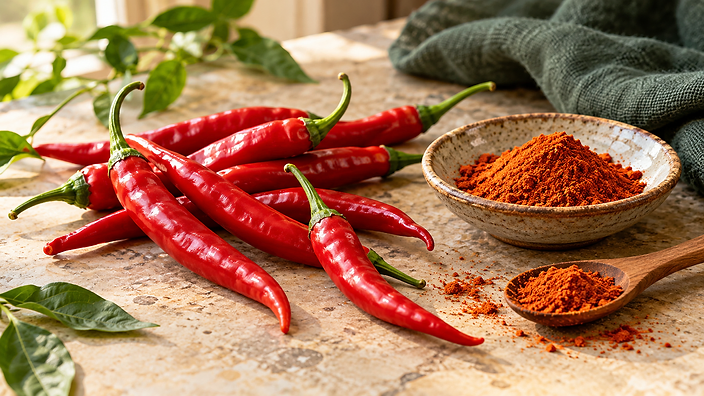
Cayenne is a hot pepper used fresh, dried, or ground into a spice. Its heat comes largely from capsaicin, a compound also found in other chili peppers.
You will find cayenne in the spice aisle and in supplements such as capsules and liquid extracts. Capsaicin is also used in certain topical pain-relief products. These forms have different purposes, and evidence about a cream does not establish the benefits of swallowing cayenne.
Memorial Sloan Kettering describes culinary cayenne as generally safe in food while advising people to discuss supplements with their healthcare team. Concentrated products deserve a separate assessment from an occasional sprinkle in a meal.
Is cayenne pepper good for your heart?
The research is interesting, but it does not establish cayenne as a heart-disease treatment.
One frequently cited study, published in 2019, followed 22,811 Italian adults. Researchers found that regular chili-pepper consumption was associated with lower cardiovascular and overall mortality.
That finding came from an observational study. Participants were not randomly assigned to eat peppers, and the results cannot establish that peppers caused the difference. The study also examined chili-pepper eating habits, not a particular cayenne capsule, extract, or blend.
It is reasonable to find that association encouraging. It is too much of a leap to turn it into a promise that cayenne supplements prevent heart attacks.
To assess treatment claims, we also need controlled trials—and those results are less convincing.
What newer studies say about blood pressure and cholesterol
A 2026 systematic review combined 13 randomized controlled trials involving 821 adults. It examined red pepper, capsaicin, and related interventions across several cardiovascular and metabolic measures.
The researchers found small reductions in total cholesterol and diastolic blood pressure, but those findings were unstable: removing a single influential study made the results no longer statistically significant. There were no significant overall improvements in LDL cholesterol, triglycerides, systolic blood pressure, or several blood-sugar measures. Evidence certainty was low to very low for most outcomes.
Another 2026 review, including 14 studies, found no significant overall reduction in systolic or diastolic blood pressure. Some longer-duration results suggested small changes, but their clinical importance remained uncertain.
For someone choosing how to manage blood pressure or cholesterol, the practical message is straightforward: these findings do not justify replacing prescribed treatment with cayenne. They also do not establish a reliable supplement dose for cardiovascular care.
What about circulation?
“Supports circulation” sounds clear until you ask what was actually measured.
Did a study examine blood pressure? Blood flow in a particular tissue? A laboratory response? Heart attacks or strokes? Those outcomes are not interchangeable.
Capsaicin research includes possible effects on blood-vessel signaling, but a proposed mechanism does not establish a dependable benefit from a consumer product. Ask which human study supports a circulation claim, what preparation was used, and whether the finding applies to the product you are considering.
NCCIH advises people with high blood pressure or high cholesterol to follow their treatment plan and discuss complementary approaches with their healthcare provider.
A practical use: bringing flavor to meals
Cayenne does not need a dramatic health claim to earn a place in your kitchen.
If you enjoy spicy food, it can help make beans, vegetables, soups, and other meals more appealing. One practical approach is to use herbs and spices while reducing reliance on added salt.
The American Heart Association’s 2026 dietary guidance emphasizes vegetables, fruit, whole grains, healthy protein sources, unsaturated fats, and less sodium. Cayenne can fit into that pattern as a seasoning.

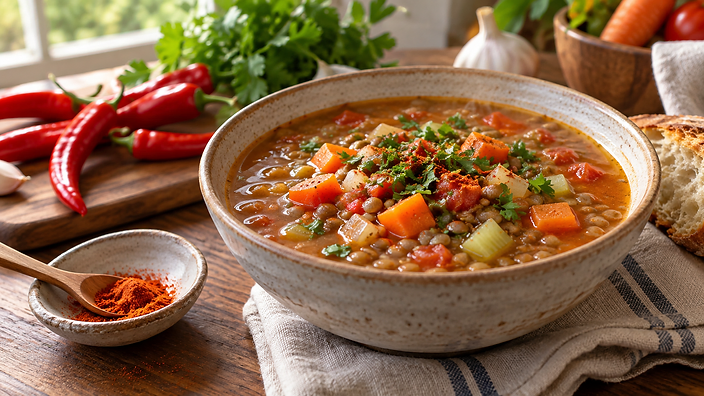
Try a small pinch in:
- A pot of lentil or bean soup.
- Roasted vegetables with olive oil and garlic.
- A homemade spice rub for fish, chicken, or tofu.
- A vegetable stew seasoned with cumin and smoked paprika.
- A yogurt-based dip, if those ingredients suit your diet.
These are serving ideas, not therapeutic doses. Start with an amount you comfortably enjoy. Check seasoning blends for added salt, and remember that hot sauce can contain substantial sodium depending on the product.
Food, capsules, and liquid drops are different choices
The word “cayenne” on two labels does not mean the products provide the same exposure.
A capsule may contain pepper powder or an extract. Liquid products may differ in concentration, serving size, and additional ingredients. The amount of cayenne listed does not necessarily tell you the amount of capsaicin.
Before choosing a supplement, look for:
- A readable Supplement Facts panel.
- The serving size and amount provided per serving.
- Whether the ingredient is pepper powder or an extract.
- Capsaicinoid standardization, if stated.
- Other ingredients, warnings, and directions.
For a multi-ingredient formula, review the whole label. Research on cayenne alone cannot establish the effectiveness or safety of a blend containing several botanicals and vitamins.
FDA does not approve dietary supplements for safety and effectiveness before they are marketed. A product being available for purchase does not establish that its health claims have been clinically demonstrated.
Side effects and medication considerations
Cayenne can cause stomach irritation, abdominal discomfort, sweating, and irritation of the eyes or nose. Keep powder and extracts away from your eyes, and wash your hands after handling them.
If you have reflux, pay attention to your response. NIDDK lists spicy foods among possible GERD triggers, although individual triggers differ.
Before taking concentrated cayenne, ask a clinician or pharmacist to review it if you have a heart condition, high blood pressure, take prescription medicines, or are pregnant or breastfeeding.
Memorial Sloan Kettering identifies potential interactions with blood-pressure medicines, cyclosporine, and antiplatelet medicines. Some interaction concerns come from animal studies, so their importance in people is uncertain. That uncertainty is a reason for a medication review, rather than assuming an interaction is either guaranteed or impossible.
Cayenne is not a heart-attack remedy
There is no clinical evidence that drinking cayenne water or taking cayenne drops stops a heart attack.
If someone has possible heart-attack symptoms—such as chest pressure, shortness of breath, or discomfort spreading to the arm, back, or jaw—call 911 immediately. Do not delay emergency care to try a home remedy.
Common questions about cayenne pepper
How much cayenne should I take for heart health?
There is no established evidence-based dose for preventing heart attacks or treating high blood pressure. Research uses different preparations and amounts. Do not convert an experimental dose into a personal treatment plan.
Can I eat cayenne every day?
Small culinary amounts may suit people who tolerate them. Daily use is optional, and there is no need to push through stomach discomfort or reflux.
Is cayenne water better than adding it to food?
The evidence reviewed here does not establish that cayenne water is better for cardiovascular health. If you enjoy cayenne, adding it to a meal is a straightforward culinary use.
Are liquid cayenne supplements more effective than capsules?
The research discussed here does not establish that liquid products provide better heart-health outcomes. Evaluate the actual formulation and evidence rather than assuming one format is superior.
Making an informed choice
Cayenne is worth understanding without expecting it to do the work of an entire health plan.
Enjoy it as a seasoning if it agrees with you. If you are considering a supplement, read the full label and discuss how it fits with your medicines and medical history. Follow blood pressure and cholesterol through appropriate measurements, rather than judging a product by the warmth you feel after taking it.
At Wellness Herbs Plus, we encourage readers to understand an ingredient’s evidence, uses, and limitations before deciding whether it belongs in their routine.
This article provides general education, not personal medical advice. Dietary supplements should not replace prescribed treatment.
Sources and further reading
- Memorial Sloan Kettering: Cayenne
- Chili Pepper Consumption and Mortality in Italian Adults (2019)
- The effect of red pepper/capsaicin on cardiovascular risk factors: a systematic review, meta-analysis, and GRADE assessment (2026)
- The influence of pepper-derived compounds on blood pressure and heart rate: a systematic review and meta-analysis of randomized controlled trials (2026)
- NCCIH: Cardiovascular Disease and Complementary Health Approaches
- American Heart Association: 2026 Dietary Guidance to Improve Cardiovascular Health
- FDA: Information for Consumers on Using Dietary Supplements
- NIDDK: Eating, Diet, & Nutrition for GER & GERD
- American Heart Association: Call 911 for heart attack or stroke symptoms